Know Before You Go: The Itchy Truth About Poison Plants
Your no-scratch guide to identifying nature's most dramatic plants!
PREPAREDNESS
Feral Gayle
10/26/20244 min read


Know Before You Go: The Itchy Truth About Poison Plants
Ah, the great outdoors. Fresh air, beautiful trails, amazing wildlife… and lurking somewhere in the bushes, three sneaky little plants just WAITING to ruin your day. We're talking about poison ivy, poison oak, and poison sumac. Nature's way of saying "look but absolutely do not touch."
Don't panic though! Knowledge is your superpower. Learn to spot these drama queens of the plant world and you'll be adventuring like a pro in no time. Let's meet the troublemakers!
Troublemaker #1: Poison Ivy
The Most Popular Plant Nobody Wants to Meet
The Golden Rule of Outdoor Adventuring
When in doubt — don't touch it! Seriously. That goes for mystery berries, unknown mushrooms, and absolutely anything with leaves of three. Look with your eyes, photograph with your phone, and keep those hands to yourself!
Now you know what to look for, go out there, stay curious, stay safe, and for the love of all things outdoors. leave the leaves of three alone!
Your skin will thank you. Profusely.
Happy adventuring, Feral Gayle
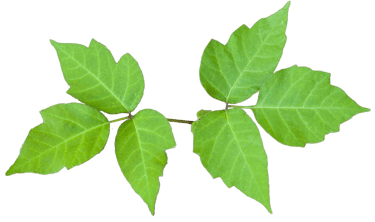
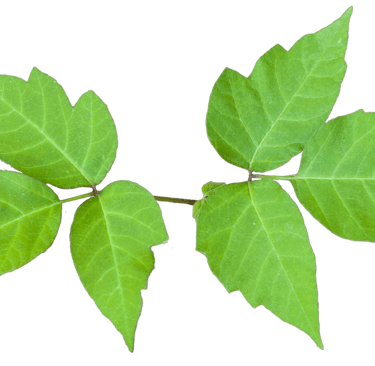
Poison ivy is basically the celebrity of itchy plants. Everybody's heard of it, and nobody wants a close encounter!
How to spot it:
Leaves of three, leave them be! (See? That rhyme is doing a LOT of heavy lifting out here)
Three pointed, almond-shaped leaves grouped together
Leaves are shiny when young, duller as they age
Can appear red or orange in spring and fall
Grows as a ground vine, a climbing vine, OR a shrub (talk about versatile!)
Where you'll find it: Poison ivy is basically everywhere in North America; forests, fields, trails, backyards, and even city parks. It loves to climb trees and fences like it owns the place. It absolutely does not own the place.
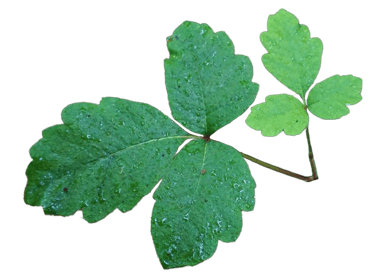
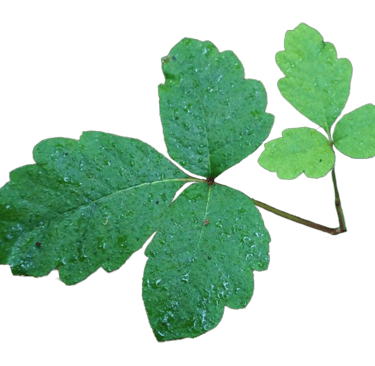
Troublemaker #2: Poison Oak
Poison Ivy's Slightly Rounder Cousin
Poison oak didn't get quite as famous as poison ivy, but trust us, it's just as committed to making you miserable!
How to spot it:
Also has leaves of three — are you sensing a theme here?
Leaves are rounder and lobed, kind of like an oak tree leaf (hence the name, very on brand!)
Can be shiny or slightly fuzzy underneath
Also turns red and orange in the fall
Grows as a shrub or climbing vine
Where you'll find it: Poison oak likes to hang out on the West Coast and Southeast United States. It's a big fan of dry, sunny areas, open woods, and the sides of trails, basically wherever you're most likely to accidentally brush against it. How thoughtful!
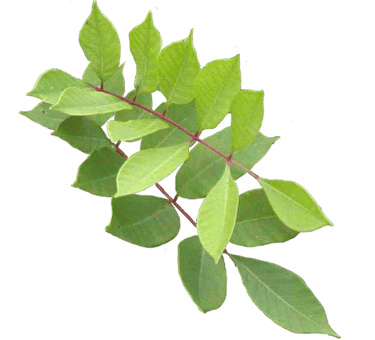
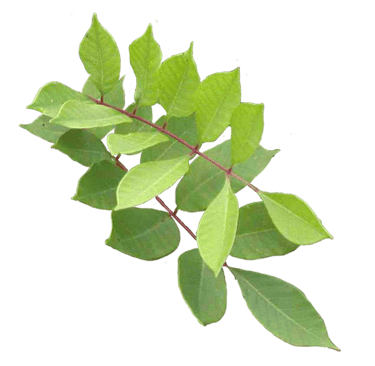
Troublemaker #3: Poison Sumac
The Rarest, Rudest One of the Bunch
Poison sumac is the overachiever of the group. Rarer than the others, but somehow even MORE irritating if you make contact. Overachieving in all the wrong ways!
How to spot it:
Unlike the others, poison sumac has rows of 7 to 13 smooth, oval leaves arranged in pairs along a red stem
No "leaves of three" rule here, this one likes to switch things up!
Produces small, pale yellowish-white berries (don't touch those either!)
Leaves turn a brilliant red in the fall. Pretty to look at, terrible to touch.
Where you'll find it: Poison sumac is picky about its real estate, almost exclusively living in wet, swampy areas and boggy woodlands in the Eastern United States. If your feet are getting soggy, keep your eyes peeled!
What All Three Have in Common
All three of these plants contain an oil called urushiol (say it with me: oo-ROO-shee-ol). This sneaky little oil is what causes that infamous itchy, blistery rash. And here's the really fun part: urushiol can stay active on surfaces like clothing, shoes, and pet fur for MONTHS. Yes, months. The drama never ends!
TOUCHED ONE? HERE'S WHAT TO DO — RIGHT NOW!
Okay, deep breath. It happens to the best of us! If you think you've touched any of these plants, time is everything:
Wash immediately! Get to soap and water as fast as humanly possible. Wash the affected area thoroughly with soap and cool water for at least 10 minutes
Strip those clothes! Everything that touched the plant needs to come off and get washed. Yes, all of it!
Check your pets! Urushiol can hitch a ride on fur and transfer right to your skin later. Bath time for the adventure pup!
The faster you wash, the better your chances of avoiding the full itchy disaster
See a doctor if the rash spreads to your face, eyes, or covers a large area of your body. Don't tough it out, just go! Trust me, toughing it out is not worth it. Also, jewelweed soap works wonders for small rashes.
Explore More!
More safety tips, preparedness, activities, hazards, what do to when lost, and tons more happening in the Outdoor Exploration Bundle! Grab your copy today!