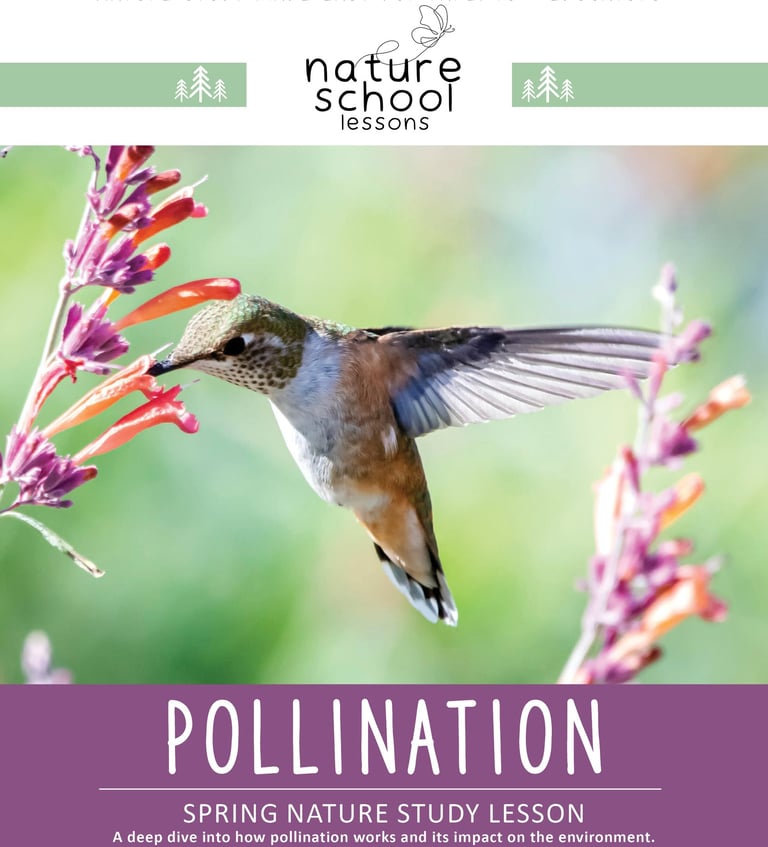
Make & Play Pollinator
Craft your very own bee, butterfly, or dragonfly and put it to work, because learning how pollination works is way more fun when you're the pollinator!
SPRING ACTIVITIESARTS & CRAFTS
Feral Gayle
3/9/20253 min read
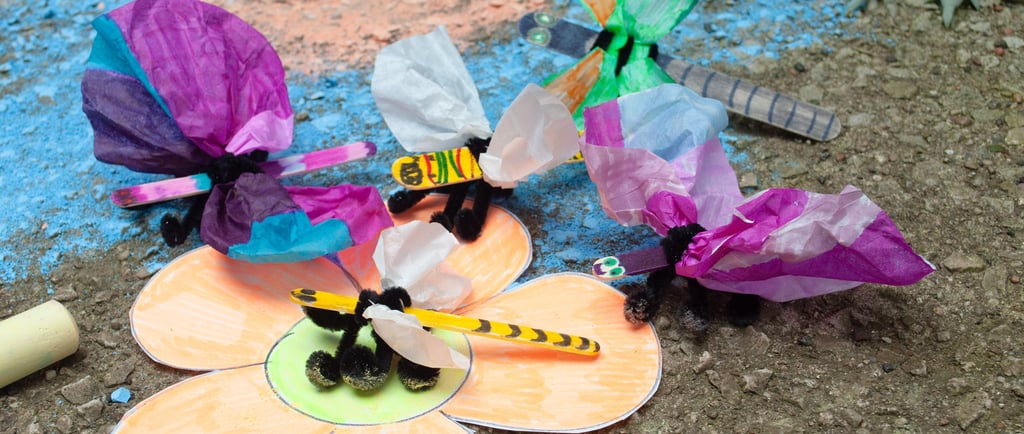
Make & Play Pollinator: Craft Your Way Into the Garden!
Pollinators are the unsung heroes of the natural world. Bees, butterflies, birds, and dragonflies are out there every single day doing the incredibly important work of transferring pollen from flower to flower making fruits, seeds, and basically most of the food we eat possible. Pretty powerful for such tiny creatures!
So today, we're building our own. Grab your craft sticks and let's get to work!
A Little Science First
Before we craft, let's set the stage. Pollination is the process where pollen gets transferred from one flower to another, allowing plants to produce fruits and seeds. Without pollinators — like bees, butterflies, and birds — most plants simply couldn't reproduce.
This hands-on STEM activity brings that process to life in the most fun way possible: by making a pollinator with your own hands and becoming one yourself.
Not feeling crafty today? No worries — skip straight to the Play Pollination step and have learners use their fingertips to touch each flower center instead. Same big learning, zero pipe cleaners.
What You'll Need
Craft sticks
Markers
Black pipe cleaners
Coffee filters or paper towels
Scissors
Simple supplies, surprisingly awesome results.
Step 1: Prep Your Pieces
Start by cutting your pipe cleaners in half. Each learner will need 3 half-pieces. These will become the 6 legs of their pollinator. Set them aside for now.
Step 2: Build the Body
Next, decide what kind of pollinator you're making! A bee, butterfly, or dragonfly are all fantastic choices each with their own fun look.
Grab your craft stick and use markers to design the body of your pollinator. Stripes for a bee, bold colors for a butterfly, iridescent shimmer for a dragonfly (go wild!). And don't forget the eyes. Every good pollinator needs a face.
Step 3: Make the Wings
Here's where things get beautiful. Using a coffee filter (or paper towel):
Use a half filter for smaller, narrow wings like a bee or dragonfly
Use a whole filter for big, gorgeous butterfly wings
Want color? Decide which side is the front, then decorate in a symmetrical pattern (matching colors and shapes on both sides) just like real wings. This is a great sneaky moment to talk about symmetry in nature!
Step 4: Attach the Wings
Now for the assembly. This is the satisfying part:
Pinch the front and back of the wings together at the center
Lay the pinched wings on top of the craft stick body
Take one pipe cleaner half and lay it diagonally over the pinched wings, then twist it tight on the belly of the craft stick to lock them in place
Add a second pipe cleaner in the same diagonal direction to form an "X". This keeps the wings secure and adds two more legs
Attach the third pipe cleaner in front of the wings and secure it the same way
Step 5: Add the Feet
Tuck all six pipe cleaner ends upward to form tiny little feet. Curl them up slightly to even out the heights so your pollinator can "stand."
And just like that: your pollinator is alive and ready to work!
Time to Pollinate!
Now comes the best part: Play Pollination! Draw some flowers with colorful chalk or set up some paper flowers with a little powder (like cornstarch or colored powder) in the center to represent pollen. Let learners move their pollinators from flower to flower and watch the "pollen" transfer.
Talk through what's happening:
Where does the pollen go?
Why does the pollinator visit so many flowers?
What would happen if there were no pollinators?
Big questions, big thinkers.
Reflect
Close out with a moment of appreciation:
Which pollinator did you make and why?
What surprised you about how pollination works?
How can we help real pollinators in our own backyards?
Pollination is one of nature's most important partnerships and now your learners have literally held it in their hands. That's the kind of science that sticks.
Happy exploring, Feral Gayle
Photo © Gayle gone feral
Find this activity (and more) in our Pollination Lesson
Explore the incredible science of pollination, from how it works to why it matters, and discover the vital role pollinators play in keeping our environment alive and thriving!